Let the Music Slow You Down

Ludovico Einaudi — Prelude to Autumn (2025) & Memory One (2026)
Some music isn’t meant to be finished. It’s meant to stay with you for a while.
That’s the kind of music I keep returning to —work that doesn’t rush, doesn’t perform urgency, and doesn’t demand your full attention. It simply exists, quietly, until you’re ready to slow down.
This is why I’ve long been drawn to Ludovico Einaudi.
Why Einaudi?
I didn’t first notice Einaudi because of labels like “calming,” “meditative,” or “background music”—tags added much later.
What caught me was something else entirely:
His music tells stories.
Not in a grand, cinematic way. More like an inner monologue that unfolds slowly, almost imperceptibly. Motifs repeat, rhythms remain steady, yet the music keeps moving forward.
You feel it clearly: Someone is choosing to live at a certain pace and sticking to it.
What comforts me most is his consistency. He’s not a surprise-driven creator. He’s a long-term one. Listening to his work feels like being told, quietly:
There’s no rush. Take your time. I’ll still be here.
Prelude to Autumn (2025): Before the Season Fully Arrives
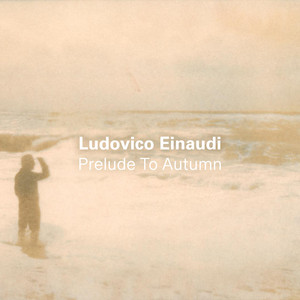
It’s not autumn yet. It’s the moment before autumn.
I met this album at the end of the summer of 2025. The air cools slightly, but summer hasn’t left. Days are still bright, though evenings carry longer shadows.
At that time, I was under pressure to meet the deadline, overwhelmed by a mountainous workload, and enveloped in a sense of hopelessness.
After settling my child down, I turned on this album under the soft light. Wow, it’s like an old friend who has been away for a long time, whispering in my ear.
Go ahead, pour yourself a drink you like, whether it’s a cocktail or a cup of hot tea. Just stop for a moment and be with me. Everything will be okay. Believe me.
Yeah, I spent half an hour with it quietly, speechless. Yeah, I recovered and got peace.
Musically, there’s no obvious climax. Instead, the piece evolves through subtle shifts—layers gently accumulating, a familiar piano phrase returning with slightly more weight, or slightly more restraint.
Stories? Still be.
This is music that fits beautifully into in-between moments:
- Walking alone at dusk
- Pausing halfway through writing
- When you don’t want to scroll, but don’t quite know what to do next
Listen here
-
on YouTube
-
on Spotify:
Memory One (2026): Not a Memory, but Its First Frame
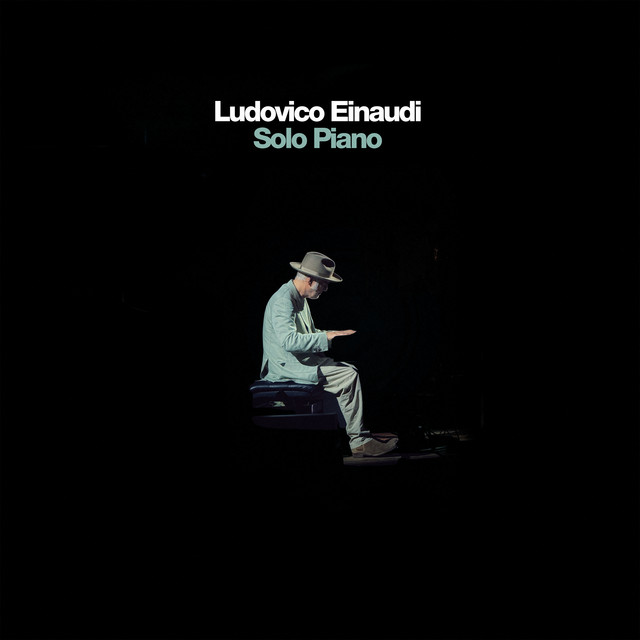
If Prelude to Autumn feels like a seasonal threshold, then Memory One feels like the first frame of remembering.
It was more like winter, with white snow covering everything and the world being extremely quiet. I could see a beautiful deer walking leisurely in the snow, leaving footprints with each step. It was unhurried and calm, and finally disappeared into the even quieter forest.
It’s not nostalgic. It’s not overtly sad. It’s more like the instant when an image surfaces—before you name it, before emotion settles in.
The composition is restrained, almost minimal to the point of disappearance.
But that restraint creates space. It invites your own life, your own images, into the music.
I often play it while sorting old photos, editing footage, or simply doing nothing at all. It doesn’t interrupt thought. It makes staying present feel easier.
Listen here
- on YouTube
- Spotify:
Personal Note
In a world obsessed with speed, output, and optimisation, Einaudi’s music consistently stands on the other side.
Born in Turin, Italy, Einaudi was trained in classical composition at the Milan Conservatory, but his musical path has never stayed neatly within academic boundaries. What makes Einaudi distinctive isn’t technical bravura. It’s clarity and commitment. He writes music that is deliberately accessible, sometimes even stubbornly simple. That choice has drawn both massive audiences and sharp criticism—but he has never really changed course in response to either.
Listening to Einaudi often feels like encountering an artist who trusts time more than attention. And that trust is rare.
It doesn’t demand focus.
It doesn’t instruct you how to feel.
It doesn’t insist on emotional payoff.
It simply continues—steady, patient, and unforced. And tell you something, or nothing.
Slow doesn’t mean stuck. Calm can still be powerful.
If you’re feeling tired lately or just want music that won’t compete with your thoughts, this music is a gentle companion.
I tend to admire creators who don’t rush to prove themselves, who trust time, rhythm, and repetition.
That’s why I keep returning to Ludovico Einaudi.
Sometimes music doesn’t need to solve anything. It only needs to walk beside you for a little while.