The Lost Art of Waiting: How Embracing Quiet Pauses Changed My Pace of Life
I’ve realised that I no longer know just how to wait.
The Itch
I remember the days of waiting for film to be developed. There was a whole week of “not knowing”.
That week wasn’t “lost time”; it was when the memory actually solidified. The anticipation was like a fixative; it made the photos mean more because I had to hold a space for them in my mind.
Now, everything is immediate. And somehow, everything feels a little thinner. Most of the things I use today are designed to be “instant”. If I want something, it’s there. But I’ve started to notice a hidden cost: when the gap between wanting and having disappears, I stop appreciating the thing itself.
Watching the Fish
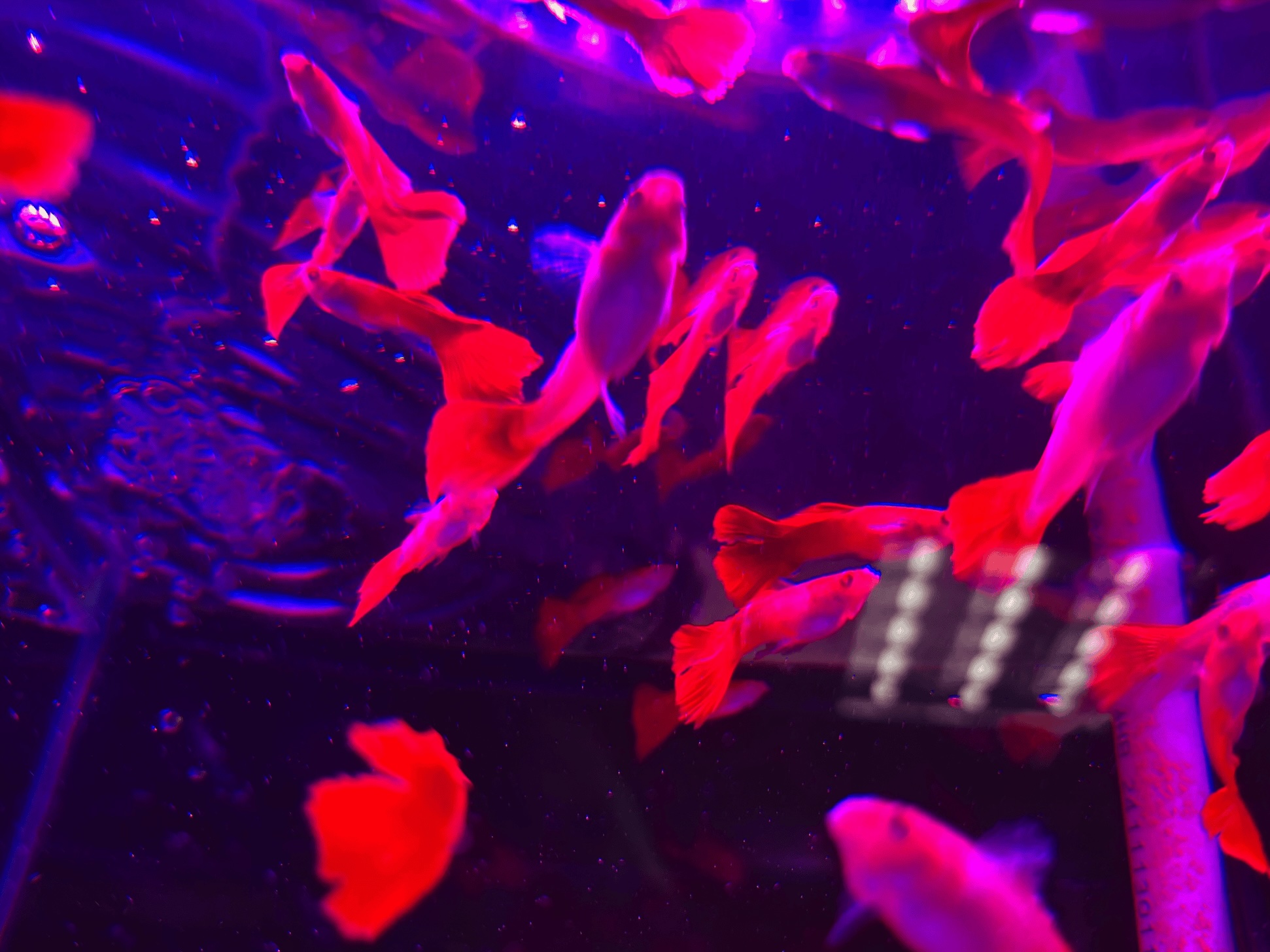
I realised all this after visiting my brother’s studio, which is a tiny, cosy space. At one moment, we suddenly stopped talking — I think maybe we had no topic, no words to say. Normally, I would feel embarrassed, but he is my brother, so that’s OK. I followed his sight to watch. There was a fish tank, and many tiny fish were swimming. He began to tell me that there was a bigger fish that bullied another one. Then we were silent, watching. Like waiting for something. Finally, the scene he said happened again.
Yeah, this moment was very important for me. I was simply observing. The fish, my brother, and I. We were all just existing in that gap.
Lately, I’ve been trying a small, almost uncomfortable experiment: I just stand there.
When I’m making tea, I don’t check my email while the water heats up. I just stay in the kitchen. I listen to the sound of the bubbles shifting from a low hum to a roar. I watch the steam.
At first, it’s irritating. My brain starts to “itch.” It demands a task. It tells me I’m wasting minutes that could be “productive.” But if I stay past that first wave of boredom, something else happens. My shoulders actually drop. I notice how the light hits the floor.
In those three minutes, I’m not a user or a consumer. I’m just a person in a room, inhabiting time.
Clearing the Cache
We are constantly jumping from one stimulus to the next without giving ourselves a second to process the last one. Our internal “cache” never gets cleared.
For me, waiting is the art of letting the dust settle. It’s the period where the “waiting for a city” allows the place to actually take shape in my imagination. If I fill every gap with a screen, I’m never truly there.
Quiet Companions
If the silence feels too heavy at first, I’ve found that a repetitive, slow sound helps. It gives the mind something to lean on without asking for its full attention.
If you’d like something gentle in the background while you practice waiting, here are a few quiet companions:

Ólafur Arnalds - Ljósið (Official Music Video)
Ólafur Arnalds
Watch on YouTube
CORAL REEF AQUARIUM COLLECTION • 12 HOURS • BEST RELAX MUSIC • SLEEP MUSIC
Cat Trumpet
Watch on YouTube
The Ocean 4K - Scenic Sea Wildlife Film With Calming Music - Sea Animals for Relaxation - 4K Video
Dream World Scenic Relaxation 4K
Watch on YouTubeThe Practice
Next time you find yourself “waiting” for an elevator, for a file, or for a friend, try to stay in the gap.
Resist the urge to reach for your pocket. Don’t treat it as dead time. Look at the sky, or just notice your own breathing. Let yourself feel the slight discomfort of having nothing to do.
You might find that the best parts of the day aren’t the things you checked off your list but the quiet moments you finally allowed yourself to keep.