Why Travel Feels Like a Parallel World
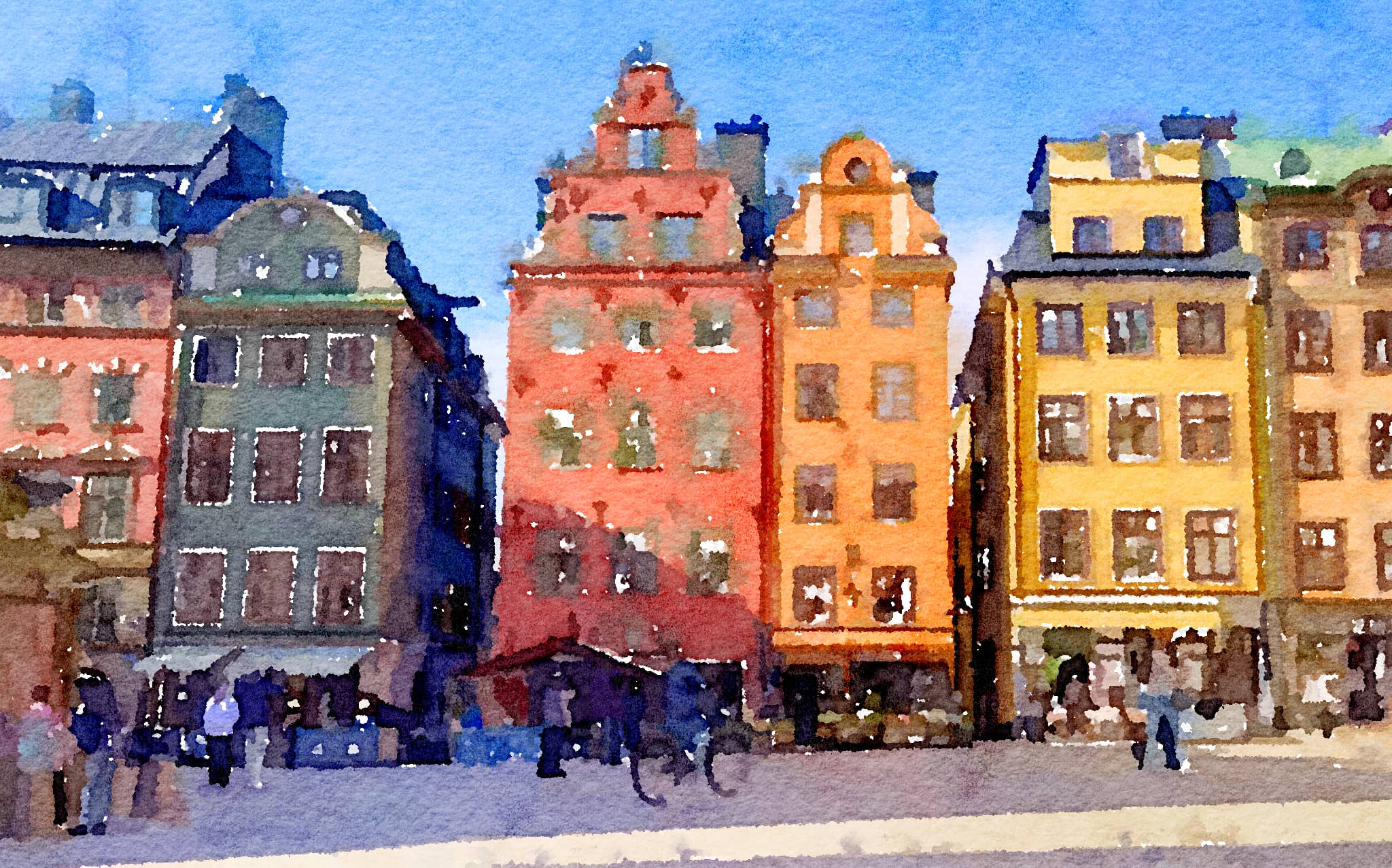
We love the comfort of our homes—the familiar stack of books on the nightstand, the predictable rhythm of daily life. But even the most peaceful routines can start to feel heavy. Our minds get crowded with to-do lists and the small expectations that accumulate within our four walls. There’s a specific kind of mental clutter that comes from the familiar, not because home is bad, but because it holds so much of who we are. Stepping out of my own story for a few days—becoming temporarily anonymous in a foreign city—has always been one of the clearest ways I’ve found to reset..
Stepping onto a train bound for a foreign city is a necessary act of downshifting. For me, it’s always been about shedding the weight of identity to become, for a few days, a ghost in someone else’s machine. In this stillness, our senses don’t just recover—they finally sharpen.
The Poetics of the Transit
This week’s recommended video starts with a journey that feels like a long, deep breath. The rhythm of the rail does something air travel can’t. A six-hour train ride is a buffer—literal and metaphorical.
It’s a different way of moving through space. The landscape transitions at a human scale, and you can actually watch it happen. This transit isn’t wasted time; it’s a decompression chamber. When we move at the speed of a train, we give our souls time to catch up with our bodies. We arrive in a city ready to observe, not just consume.
Watch the full experience below:
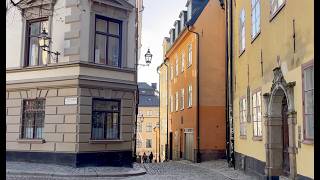
Stockholm- Slow, solo introvert trip / traveling alone
introvert & dog
Watch on YouTubeThe Parallel Life of the Hotel Room
I’ve always found a profound logic in the desire for self-check-in—avoiding the friction of small talk or long queues. To the analytical mind, a hotel room is a “parallel world.” It’s a blank slate of architecture, and the familiar lives we left behind vanish for a moment.
Within these four walls, anonymity is the ultimate luxury. I don’t see it as loneliness, but as the adventure of solitude. In this silence, we aren’t just resting; we are recharging our internal batteries and thinking about things that the clutter of home simply doesn’t allow room for. Every room holds a thousand untold stories of the guests who came before—a raw, unpolished mosaic of human presence that I find deeply grounding.
Finding Beauty in the Living Organism
When I travel, I try to see a city not as a list of landmarks to check off, but as something alive. The real visual medicine is found in aimless exploration—watching children play, neighbors meeting for coffee, the ordinary rhythms of a place.
There’s something about a quiet morning spent journaling in a café, or being drawn to a vintage suitcase in a shop window. These objects and moments are beautiful because they’re imperfect and lived-in. When we stop to admire a simple painting of a breakfast table, we’re acknowledging that the most ordinary scenes are often the most luminous. We don’t travel to see the spectacular; we travel to remember how to see the spectacular in the ordinary.
The Graceful Return
The journey ends not with the exhaustion of having done it all, but with the gratitude of having seen clearly. We return to our homes and the people we love not because we were escaping them, but because we needed to step into that parallel world to remember why our primary one matters. We come back with our journals a bit heavier and our minds a bit lighter.